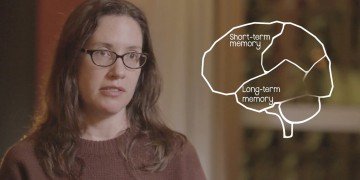
People with dyslexia have differences in brain structure. How can educators use this knowledge to teach them more effectively? An expert shares his insights.
How can brain research tools help us understand dyslexia, fine-tune its identification, and improve teaching methods?
What if you could see inside the brains of people with dyslexia and watch them think? Compared to brains of people who don't have dyslexia, would you see many differences? Is this stuff of sci-fi?
A high school senior with learning difficulties inspires hope by telling his personal story of using determination and drive to overcome his challenges.
The author of Overcoming Dyslexia offers interesting answers to questions parents often ask.
Many parents ask if there are ways to assess a young child's reading problems without going through a full evaluation. In this article, a reading expert describes appropriate assessments for young readers.
We tell children "Everyone's the same," but they know better. And there's no shame in being different.
As you evaluate products and services for your child, you may come across research about their effectiveness. Learn how to distinguish valid research from unreliable claims.
A woman identified with dyslexia at age 76 reflects on her lifelong struggles and ultimate triumph.
Definitions of dyslexia vary widely. Learn how to cut through the confusion to get help for your child.